Table of Contents
As freezing temperatures grip regions like Elkins, West Virginia, where ice forms on rivers and subzero conditions persist, residential homeowners across the United States face similar threats to their roofs. Prolonged cold snaps, heavy snow accumulation, and freeze-thaw cycles can compromise the integrity of your home’s roofing system, leading to leaks, structural damage, and costly repairs. While local emergency management offices offer general safety tips, such as clearing snow from furnace exhausts and maintaining chimneys, a professional roofing inspection addresses the roof-specific vulnerabilities exacerbated by these conditions.
The Hidden Dangers of Freezing Weather on Residential Roofs
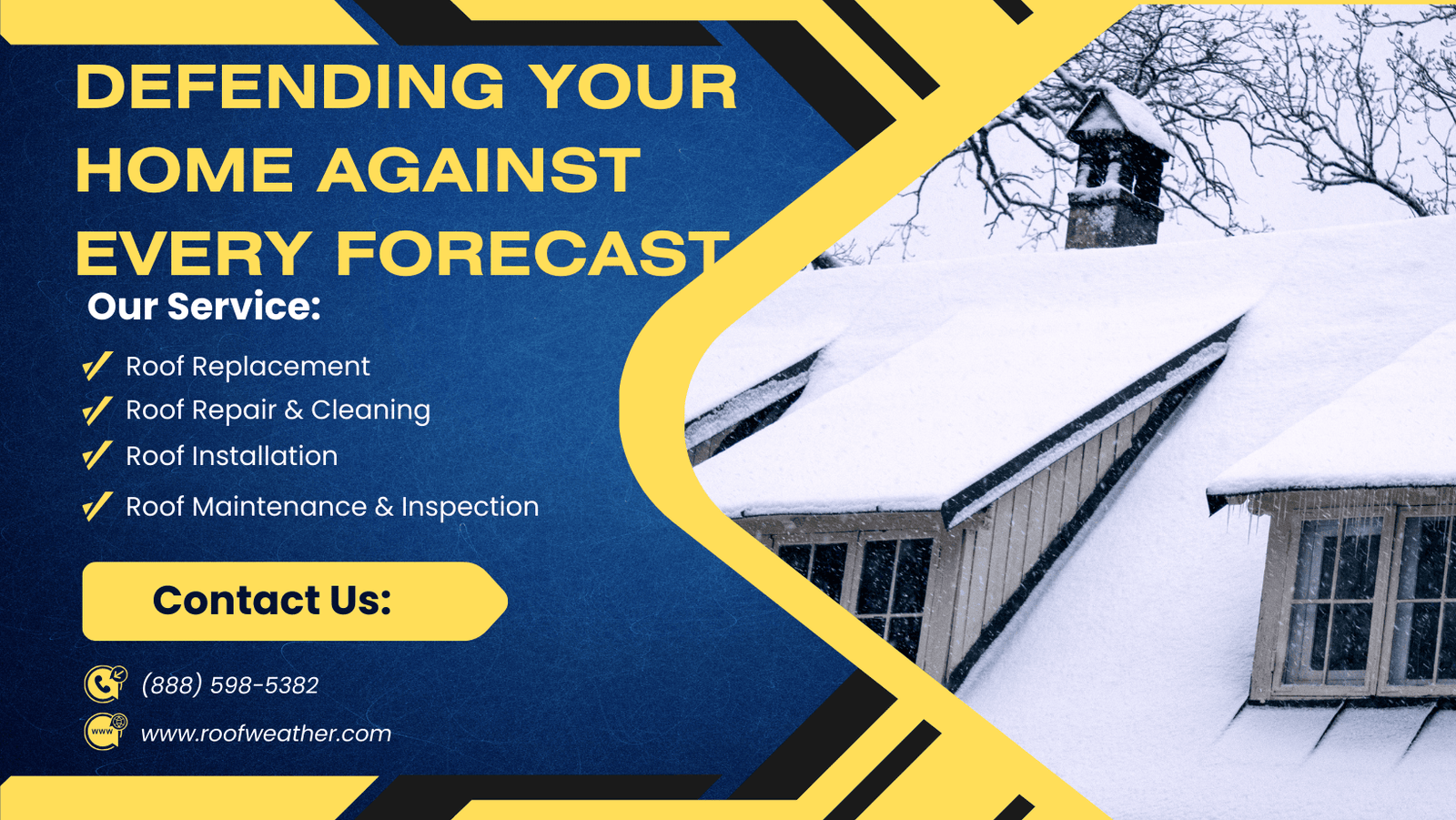
Extreme cold weather does more than chill the air outside your home; it targets your roof with relentless force. Snow and ice buildup creates ice dams along eaves and valleys, where melting snow refreezes and blocks proper drainage. This trapped water seeps under shingles, causing interior damage like stained ceilings and mold growth. Heavy snow loads strain roof trusses, potentially leading to sagging or collapse in severe cases. Freeze-thaw cycles crack shingles and weaken flashing around chimneys and vents, much like the snow-blocked exhausts highlighted in recent weather advisories.
In areas experiencing extended below-freezing periods, such as those forecasted in Randolph County, these issues intensify. Homeowners nationwide, from the Northeast’s brutal winters to the Midwest’s lake-effect snow and even Southern states with occasional freezes, encounter these challenges. Proactive residential roofing maintenance prevents escalation from minor cracks to full replacements.
Key Signs Your Roof Has Sustained Freezing Weather Damage
Spotting early indicators allows for timely intervention. Look for icicles hanging excessively from gutters, evidence of ice dams. Check for buckling shingles lifted by ice expansion. Inspect attic spaces for daylight through cracks or unexplained dampness. Exterior signs include damaged flashing around skylights or dormers, and granules from asphalt shingles collecting in gutters—a telltale of surface erosion from ice abrasion.
Step-by-Step Winter Roof Inspection and Maintenance Guide
While DIY checks provide a starting point, professional services ensure comprehensive evaluation. Follow these steps adapted for residential homes during freezing conditions:
- Visual Exterior Assessment: From the ground, scan for uneven snow distribution, large icicles, or sagging areas. Use binoculars to avoid ladder risks on icy surfaces.
- Gutter and Downspout Clearance: Remove debris and ice buildup to facilitate melting snow drainage, preventing overflows that damage fascia boards.
- Vent and Chimney Inspection: Ensure furnace exhausts, chimney caps, and flues remain unobstructed by snow or ice, aligning with safety recommendations from local authorities.
- Attic Temperature Check: Measure for warm spots indicating poor insulation, which contributes to ice dam formation.
- Professional Follow-Up: Schedule an expert inspection for detailed thermal imaging, moisture detection, and structural analysis.
These steps safeguard your home, but certified residential roofing specialists employ tools like drones and infrared cameras for safer, more accurate assessments nationwide.
Comparing Roofing Materials for Optimal Cold Weather Performance
Selecting materials suited to freezing climates extends your roof’s lifespan and resilience. The table below compares common residential options based on durability in cold conditions:
| Material | Average Lifespan | Freeze-Thaw Resistance | Key Benefits in Cold Climates | Snow/Ice Shedding |
|---|---|---|---|---|
| Asphalt Shingles | 20-30 years | Moderate | Affordable, widely available; impact-resistant options available | Fair; prone to ice dams if not properly vented |
| Metal Roofing | 40-70 years | Excellent | Expands/contracts without cracking; lightweight | Superior; sheds snow rapidly |
| Synthetic Shake/Composite | 40-50 years | High | Fire-resistant, mimics wood; UV and impact rated | Good; thermal properties reduce melt-freeze cycles |
| Clay or Concrete Tiles | 50+ years | Very Good | Heavy-duty; excellent insulation value | Moderate; interlocking design aids stability under snow |
This comparison highlights how material choice influences performance during events like the prolonged freezes in Elkins. Consult a specialist to determine the best fit for your home’s architecture and local climate.
Professional Residential Roofing Services Tailored to Winter Challenges
When freezing weather strikes, residential roofing services focus on inspection, targeted repairs, and preventive maintenance. Ice dam removal prevents water intrusion without risking shingle loss. Ventilation upgrades mitigate attic heat buildup, a primary ice dam cause. For severe damage, partial or full replacement restores protection using weather-resistant materials.
Insurance claims assistance is crucial post-storm; professionals document damage thoroughly for fair settlements. Maintenance packages include seasonal checks to clear debris, seal vulnerabilities, and verify flashing integrity—essential for homes enduring repeated freeze-thaw stress.
Benefits of Investing in Residential Roof Maintenance
Regular upkeep yields tangible advantages for homeowners nationwide:
- Prevents minor issues from becoming major leaks or structural failures.
- Extends roof lifespan, deferring replacement costs.
- Improves energy efficiency by optimizing insulation and ventilation, lowering heating bills during cold snaps.
- Enhances home safety, reducing risks like ice falls or weakened supports.
- Maintains property value, appealing to future buyers in buyer inspections.
- Provides peace of mind amid unpredictable winter weather patterns.
Nationwide Residential Roofing Protection Against Freezing Extremes
While recent events in West Virginia underscore the urgency, freezing weather impacts homes coast to coast. From Appalachian valleys to Rocky Mountain peaks, our network of professional residential roofing experts delivers inspection, maintenance, repair, and replacement services tailored to local conditions yet backed by national standards. Do not wait for the next storm—schedule a professional roof evaluation to fortify your home today.
Stay vigilant: Clear snow from critical areas like vents, monitor for ice buildup, and prioritize expert intervention for long-term resilience. Your roof is your home’s first line of defense in freezing weather—protect it accordingly.