Table of Contents
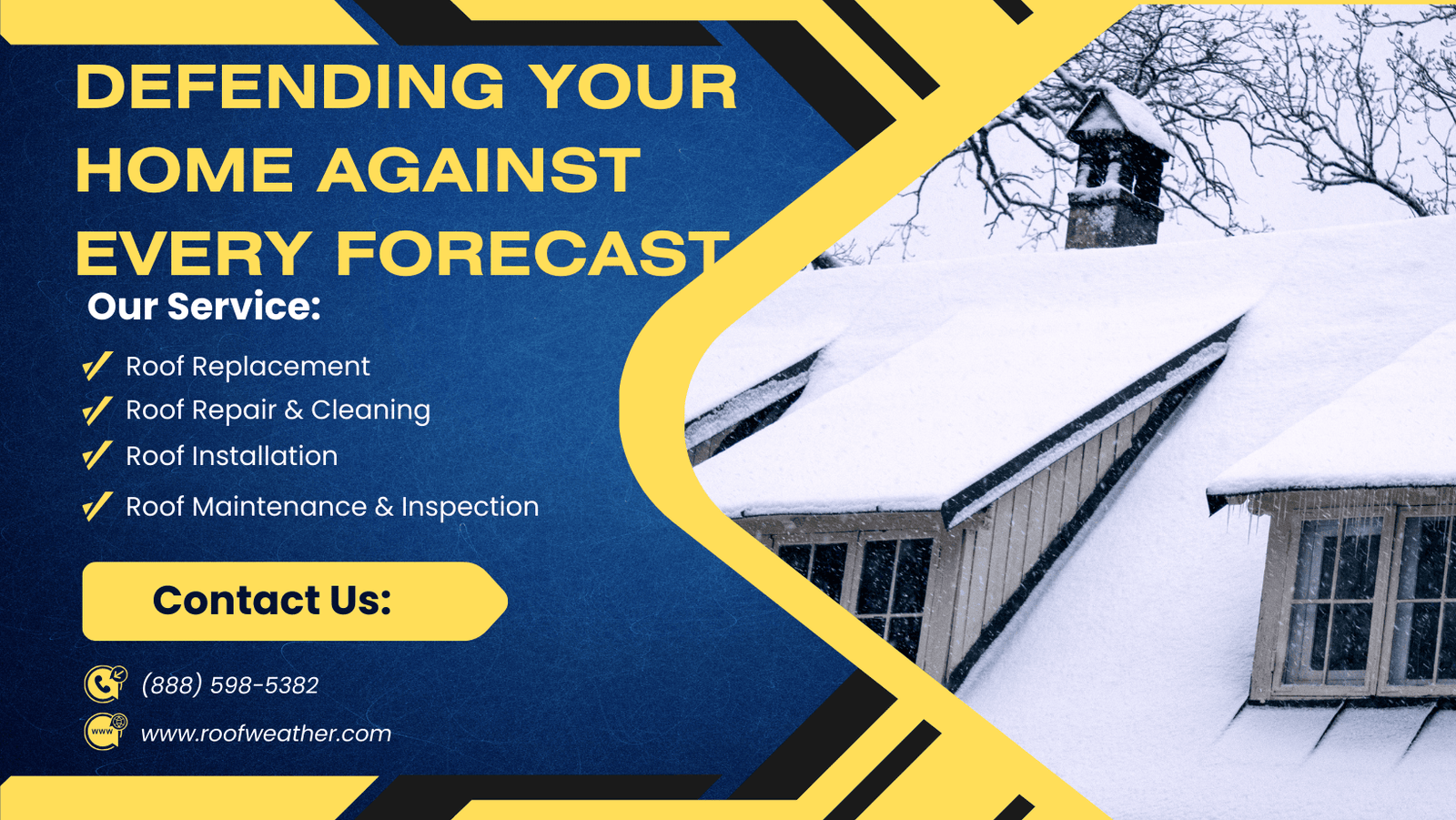
Houston homeowners are bracing for a rare blast of freezing temperatures this weekend, with a Cold Weather Advisory in effect Saturday morning and a Freeze Watch for Sunday. Wind chills could drop into the teens and lower 20s, while actual temperatures plummet to the 20s across the metro area and even lower to the north. These sudden freezes pose serious risks to residential roofs, especially in a region not typically prepared for such extremes.
Freezing conditions can lead to ice dams, shingle cracking from thermal expansion, and leaks from wind-driven precipitation. As the cold front rolls in with north winds gusting to 30 mph, vulnerable roofing materials may suffer immediate stress. Even after the weekend chill gives way to 60s next week with scattered showers, the repeated freeze-thaw cycles can exacerbate damage, turning minor issues into costly repairs.
The Hidden Dangers of Freezing Temps on Residential Roofs
In Houston’s humid subtropical climate, roofs are designed primarily for heat, heavy rain, and hurricanes, not prolonged freezes. When temperatures drop rapidly, moisture trapped in shingles or underlayment freezes and expands, potentially lifting or cracking materials. Ice dams form along eaves, where heat from poorly insulated attics melts snow or frost, only for it to refreeze at the edge and back up under shingles.
Windy conditions amplify the problem, as gusts pry at seams and loosen granules from asphalt shingles. Post-freeze, warming trends and showers introduce moisture that seeps into compromised areas, leading to interior leaks, mold growth, and structural deterioration. Homeowners protecting pipes and plants this weekend should extend those precautions to their roofs to avoid emergency claims come spring.
How RoofWeather Helps Houston and Nationwide Homeowners Combat Freeze Damage
At RoofWeather, we specialize in residential roofing solutions tailored to unpredictable weather patterns like this Houston freeze. Our nationwide network of certified technicians understands how regional climates challenge home roofs, from Gulf Coast freezes to Midwest blizzards. While Houston faces this specific event, similar risks affect homeowners everywhere—from California valleys to New England winters.
We provide comprehensive inspections to identify vulnerabilities before damage occurs, along with repairs and replacements using materials proven against freeze-thaw cycles. RoofWeather ensures your residential roof withstands these events, maintaining protection for your home year-round.
Key Signs of Freeze-Related Roof Damage
- Cracked or buckled shingles from ice expansion
- Icicles or ice dams along eaves and valleys
- Granule loss in gutters from wind and freeze abrasion
- Water stains on ceilings indicating leaks
- Lifted flashing around chimneys or vents
- Sagging sections due to weakened underlayment
Spotting these early allows for timely intervention, preventing widespread issues.
Residential Roofing Materials Built for Freeze Resistance
Choosing the right materials makes all the difference in freeze-prone conditions. RoofWeather recommends options evaluated for thermal stability, impact resistance, and longevity in variable climates. Below is a comparison of common residential roofing materials:
| Material | Freeze-Thaw Resistance | Average Lifespan (Years) | Ideal For |
|---|---|---|---|
| Asphalt Shingles (Architectural) | Moderate; performs well with proper underlayment | 30-50 | Budget-conscious homes in mild winters |
| Metal Roofing (Standing Seam) | Excellent; minimal expansion and no granule loss | 50-70 | Homes in frequent freeze areas |
| Composite Shingles | High; impact-rated for hail and ice | 40-60 | Versatile for varied climates |
| Clay or Concrete Tile | Good; heavy weight resists wind lift | 50+ | Southwest and Gulf homes with occasional freezes |
This table highlights how material selection can extend your roof’s life against events like Houston’s impending hard freeze. RoofWeather professionals guide homeowners through options suited to local codes and weather histories.
Steps to Protect Your Roof During Freezing Weather
- Schedule a pre-winter inspection with RoofWeather to check insulation, ventilation, and flashing integrity.
- Clear gutters and downspouts of debris to prevent ice backups.
- Ensure attic insulation prevents uneven melting that leads to dams.
- Trim overhanging branches that could drop ice onto the roof.
- Monitor for leaks during the thaw and contact professionals promptly.
Following these steps minimizes risks, but professional service provides peace of mind.
Comprehensive Residential Services from RoofWeather
RoofWeather offers full-spectrum residential roofing nationwide, from Houston to every corner of the U.S. Our services include:
Inspections: Thorough evaluations using drones and thermal imaging to detect freeze vulnerabilities without invasive measures.
Repairs: Targeted fixes for ice-damaged shingles, valleys, and penetrations, restoring integrity quickly.
Replacements: Full installations with warranties, using materials optimized for your region’s climate challenges.
Maintenance Plans: Annual programs to keep roofs in peak condition against seasonal extremes.
We also assist with insurance claims for weather-related damage, documenting issues meticulously for efficient processing. No matter if it’s a Houston hard freeze or a nationwide cold snap, RoofWeather delivers reliable residential protection.
Why Act Now Before the Next Freeze
This weekend’s advisory is a wake-up call. With temperatures rebounding to the 60s followed by showers, any freeze-induced weaknesses will be tested. Delaying action risks escalation during future events, as roofs weaken cumulatively.
Homeowners across the United States trust RoofWeather for proactive solutions. Our expertise in residential roofing ensures your home remains secure, regardless of location. Contact RoofWeather today to schedule an inspection or service tailored to your needs.
As your Gulf Coast weather authority might advise protecting pipes and pets, extend that vigilance to your roof. RoofWeather stands ready nationwide to safeguard what matters most—your home.