Table of Contents
Imagine waking up to single-digit temperatures after a brutal snow and ice storm in western Virginia, from Lynchburg at 7 degrees to Burkes Garden dipping to -1. While homeowners cranked up the heat to stay comfortable, often relying on fossil fuel-powered electricity from Appalachian Power and the PJM grid, many roofs silently endured the assault of heavy snow accumulation, freezing rain, and ice buildup. These extreme cold snaps highlight not just energy challenges but the real vulnerabilities in residential roofing systems across the United States.
The Hidden Dangers of Cold Weather on Your Home’s Roof
Extreme cold weather events like the January 27 Arctic air plunge expose roofs to unique stresses. Snow loads can weigh down shingles and underlayment, while ice dams form at eaves and valleys, trapping water that seeps under damaged flashing. Freeze-thaw cycles expand and contract materials, leading to cracks in tiles or asphalt shingles. In regions like Virginia’s mountains or similar climates nationwide—from the Midwest plains to New England winters—homeowners face these issues without the hydroelectric advantages of places like Manitoba.
At RoofWeather, we specialize in residential roofing solutions tailored to withstand such nationwide climate challenges. Our experts understand that while cold countries leverage geography for clean energy, U.S. homes need robust roofs to manage the immediate threats of winter storms, ensuring structural integrity and energy efficiency.
- Ice dams: Warm attic heat melts snow, refreezing at edges and backing up water into the home.
- Snow overload: Accumulated weight exceeds design limits, causing sagging or collapse risks.
- Freeze-thaw damage: Repeated expansion leads to granule loss on shingles and flashing deterioration.
- Wind-driven ice: Howling winds from polar vortices strip protective granules, accelerating wear.
- Gutter icicles: Heavy formations pull gutters loose, compounding water intrusion issues.
These problems don’t just compromise safety; they increase energy bills as poor insulation allows heat to escape, tying back to broader discussions on fossil fuel dependency during peak demand.
Why Virginia Winters Reflect Nationwide Roof Risks
Virginia’s recent chill, with temperatures hitting 0 degrees in Blacksburg and below zero in Tazewell County, mirrors patterns across the U.S. From Iowa’s wind-swept farms to New Hampshire’s nuclear-supported grids, cold waves strain residential structures similarly. Solar and wind may falter at night or in storms, but your roof must perform 24/7. RoofWeather serves homeowners coast-to-coast, from Virginia’s Appalachians to the Rockies, addressing these universal threats with localized expertise.
| Inspection Area | Post-Storm Check | Action Required |
|---|---|---|
| Eaves and Gutters | Look for ice dams or icicle buildup | Remove debris; inspect flashing |
| Shingles/Tiles | Check for cracks, missing pieces, or granule loss | Spot repair to prevent leaks |
| Chimney and Vents | Ensure seals are intact; clear snow | Re-caulk or replace damaged caps |
| Attic Interior | Scan for water stains or insulation damage | Schedule full ventilation assessment |
| Structural Supports | Verify no sagging rafters from snow load | Reinforce if needed |
This table provides a practical starting point for seasonal evaluations, helping prevent minor issues from escalating during prolonged cold periods.
RoofWeather’s Residential Services for Cold Climate Resilience
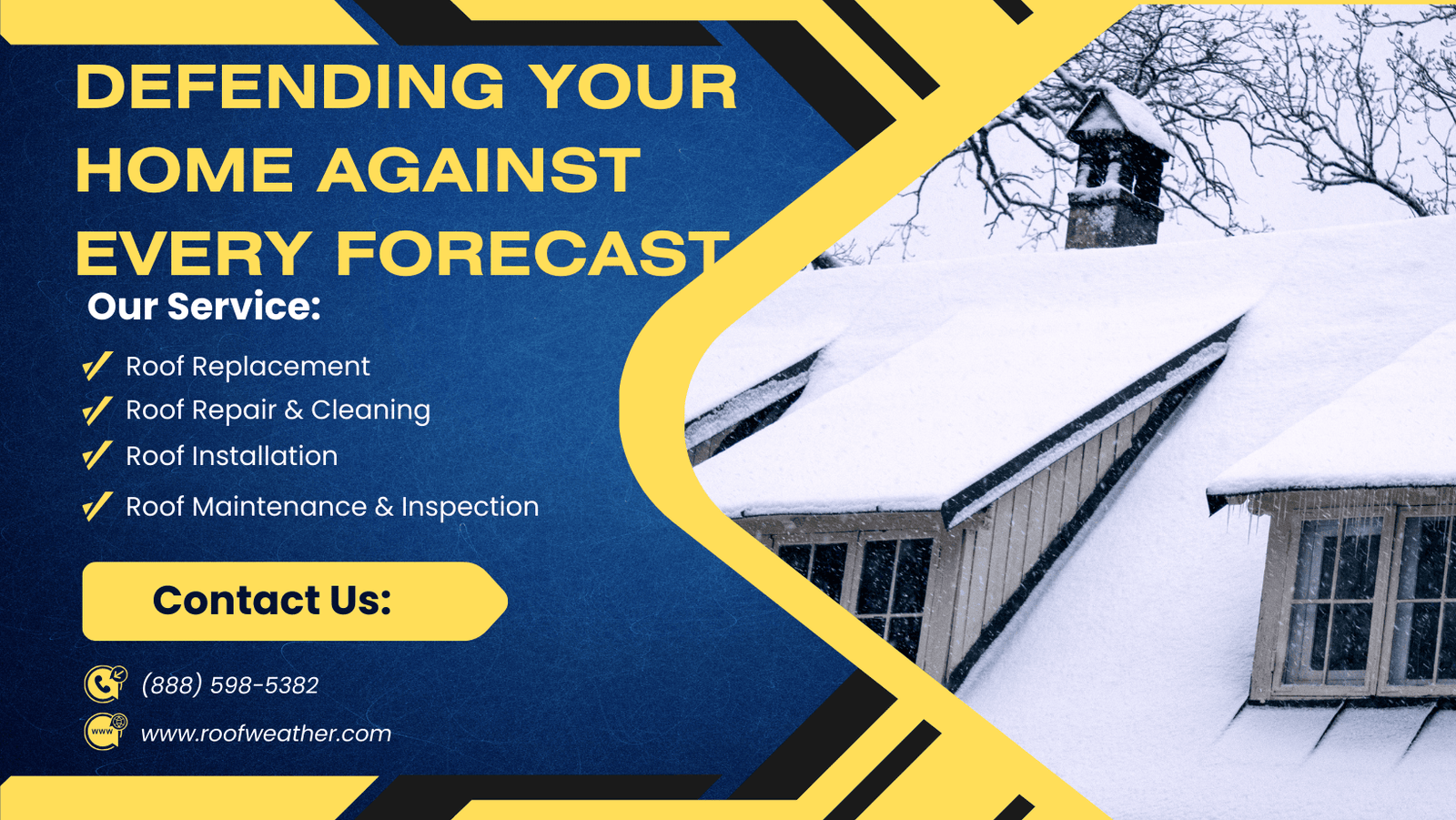
As a premier provider of nationwide residential roofing solutions, RoofWeather focuses on proactive maintenance and targeted repairs to combat winter damage. Our inspections reveal hidden vulnerabilities post-storm, while repairs address ice dam aftermaths before they lead to interior water damage. For homes showing extensive wear from repeated freeze-thaw exposure, we guide replacement options optimized for energy retention, reducing reliance on heating systems during those fossil fuel-heavy peaks.
Insurance claims often arise after events like Virginia’s ice storm, where documentation of snow-induced damage proves crucial. RoofWeather’s team assists homeowners in navigating these processes without overpromising, ensuring fair assessments for covered repairs or replacements.
Key Benefits of Professional Winter Roof Maintenance
- Early detection preserves roof lifespan, avoiding costly emergencies.
- Improved attic ventilation minimizes ice dam formation.
- Energy-efficient upgrades lower heating demands, complementing grid reliability debates.
- Nationwide availability means swift response regardless of your location.
- Customized plans for regional threats, from Virginia snow to Midwest blizzards.
Whether you’re in Roanoke facing Appalachian chill or elsewhere enduring polar vortex remnants, RoofWeather delivers authoritative guidance and service.
Steps to Secure Your Roof This Winter
Beyond grid innovations like hydro in Manitoba or nuclear in Scandinavia—options challenging for U.S. replication—homeowners can act locally. Start with a post-storm inspection to assess damage. Maintain clear gutters to prevent backups, and consider heat tape installations for vulnerable eaves. Ultimately, partnering with RoofWeather ensures your residential roof stands strong against cold weather extremes, protecting your investment year-round.
In an era where cold waves test both power systems and home durability, prioritize your roof’s health. Contact RoofWeather today for a comprehensive evaluation tailored to your home’s needs, available to residential customers across the United States.