Table of Contents
Florida homeowners are no strangers to unpredictable weather, and the latest reports from Orlando confirm a significant pattern shift across North America. While the groundhog called for six more weeks of winter, subtropical warmth is dominating, pushing temperatures above average through the end of February. This transition season—marked by high pressure ridging over the eastern U.S. and retreating jet stream patterns—brings fluctuating conditions that can stress residential roofs in unique ways.
As the atmosphere responds to Earth’s axial tilt and solar orbit changes, warmer air battles lingering cold fronts. Computer models from sources like the European Center for Medium Range Forecasting indicate sustained above-average temperatures for Floridians, with a possible winter reload in early March. These swings between chilly snaps—like the recent freeze around February 1—and humid warmth create thermal expansion and contraction cycles. For rooftops, this means potential granule loss on shingles, cracking in flashing, and accelerated moisture buildup leading to algae or mold growth.
How Weather Pattern Shifts Impact Residential Roofs
Transition seasons like this one amplify everyday roofing vulnerabilities. Sudden warmth after cold can cause materials to expand rapidly, widening existing seams or dislodging underlayment. Increased humidity fosters organic growth on north-facing slopes, while dry ridging periods bake out sealants, making roofs brittle. Nationwide, similar shifts occur—think Midwest freeze-thaw cycles or Southwest heat domes—but Florida’s subtropical edge heightens risks like wind-driven rain preceding hurricane season.
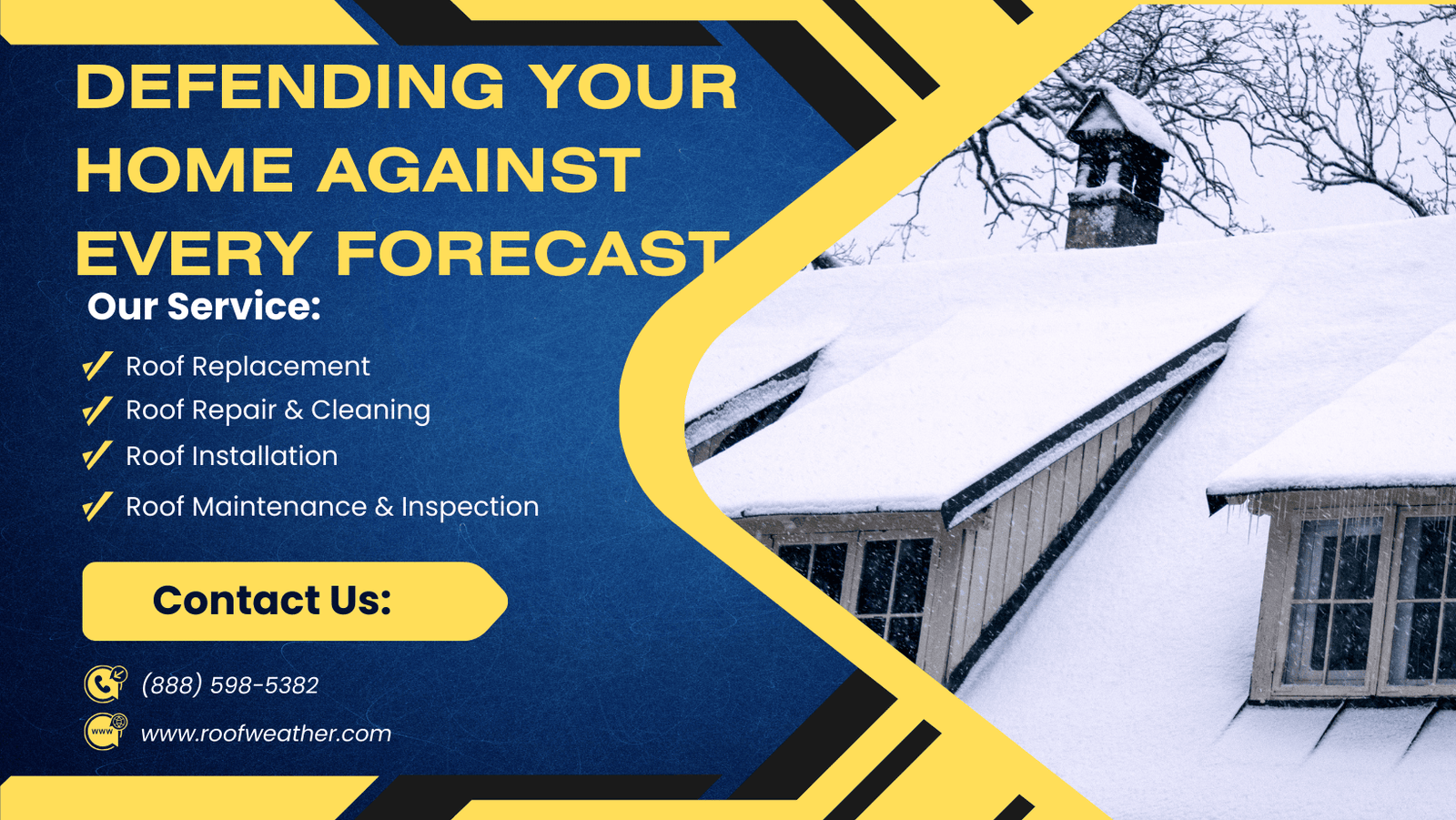
RoofWeather, a trusted provider of residential roofing solutions across the United States, specializes in addressing these climate-specific challenges. Our experts evaluate how local patterns, such as Florida’s current warming ridge, affect home roofs, ensuring long-term durability regardless of region.
Signs Your Roof Needs Attention During Warming Shifts
Spotting issues early prevents costly repairs. Here are key indicators that your residential roof may have suffered from recent temperature fluctuations:
- Missing or curling shingles, often from thermal stress loosening adhesive.
- Granules in gutters, signaling UV and heat degradation accelerated by pattern shifts.
- Dark streaks or moss patches, thriving in the humid air returning to Florida.
- Cracked or buckling flashing around chimneys and vents due to expansion-contraction.
- Interior leaks or stains, from compromised seals during cold-to-warm transitions.
- Sagging areas, indicating weakened decking from moisture trapped in varying temps.
If you notice any of these, it’s time for a thorough inspection. Delaying could lead to leaks during the next rainy bout as patterns evolve toward spring.
The RoofWeather Inspection Process: A Step-by-Step Timeline
Professional inspections are crucial now, before early March’s potential cold push exacerbates damage. RoofWeather offers comprehensive residential roof inspections tailored to your local weather history. Our process ensures nothing is overlooked, providing a clear report on condition, needed repairs, or full replacement viability.
| Phase | Timeline | Key Actions | Deliverables |
|---|---|---|---|
| 1. Scheduling & Prep | Day 1 | Site visit coordination; drone or ladder safety setup | Confirmed appointment; pre-inspection questionnaire |
| 2. Visual Exterior Exam | Day 1 (1-2 hours) | Full roof scan for damage signs; satellite imagery review | Annotated photos of issues |
| 3. Attic & Interior Check | Day 1 (30-60 min) | Ventilation, insulation, and leak detection assessment | Moisture meter readings |
| 4. Detailed Analysis | Days 2-3 | Lab testing of samples if needed; weather data correlation | Customized condition report |
| 5. Recommendations & Quote | Day 4 | Prioritized service plan with options | Digital report and next steps |
This structured approach by RoofWeather minimizes disruption while maximizing protection against ongoing pattern shifts.
Preparing Your Home for Florida’s Transition and Beyond
With teleconnections like the negative Pacific North American oscillation favoring warmth, Florida roofs face prolonged exposure to subtropical conditions. Disruptions in the Arctic Oscillation may bring brief chills, but the trend is toward balmier days. Homeowners nationwide should act similarly during their local transitions—whether Northeast thaws or California dries.
- Schedule an inspection to baseline your roof’s health post-winter.
- Clear debris to prevent trapped moisture as humidity rises.
- Trim overhanging branches that could batter shingles in gusty shifts.
- Review warranty status for materials strained by temperature extremes.
- Consider ventilation upgrades to combat attic heat buildup.
RoofWeather’s nationwide team brings this preparation expertise to every residential property, from Florida’s ridging zones to Pacific Northwest drizzles.
Why Now is the Ideal Time for Residential Services
February’s ebb-and-flow temperatures—average days mixing with above-normal highs—offer a window before spring storms ramp up. Acting during this lull avoids peak-season backlogs. For instance, undetected damage from February’s early freeze could worsen under warming high pressure.
RoofWeather stands out by focusing exclusively on residential needs, delivering inspections, targeted repairs, maintenance, or replacements customized to patterns like Florida’s current shift. Our professionals monitor long-range forecasts to advise on optimal timing, ensuring your roof weathers any reloads through March and beyond.
Ask yourself: Is your roof ready for the battle between subtropical surges and fleeting cold? Contact RoofWeather today for a professional assessment. Protecting your home starts with understanding these dynamic changes—let us handle the details nationwide.