Table of Contents
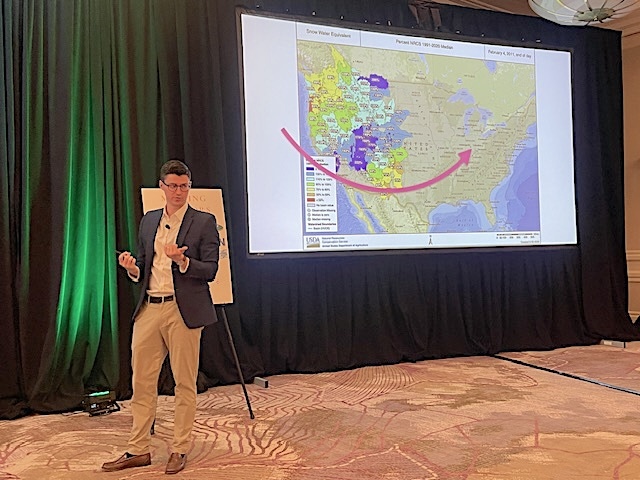
As atmospheric scientist Matthew Reardon recently highlighted at the Crop Insurance and Reinsurance Bureau annual meeting in Indian Wells, California, the United States is facing contrasting weather patterns this season. The East Coast is buried under heavier-than-expected snow, leading to immediate disruptions, while persistent drought conditions in the Western states threaten longer-term challenges, particularly as spring approaches. These regional extremes underscore the unpredictability of U.S. weather, with surprises like Iowa’s record-wet July in 2024 despite dry forecasts. Even as forecasting technology advances—thanks to improvements since 1981 and emerging artificial intelligence—homeowners must remain vigilant. At RoofWeather, we specialize in residential roofing solutions that help protect homes nationwide from such climate variability.
Weather events like these do not respect state lines, and their effects on residential roofs can be profound. Heavy snow loads strain roof structures, ice dams cause interior leaks, reduced hail frequency offers some relief but derechos—those powerful, long-lived wind storms—pose escalating risks. Fall droughts, up despite overall declines in recent years, exacerbate issues by drying out roofing materials. RoofWeather professionals across the country stand ready to address these threats through targeted residential services, ensuring your home remains secure no matter the forecast.
East Coast Snow: Immediate Risks to Your Roof
The East Coast’s abundant snowfall this winter brings short-term chaos, from travel delays to power outages. For homeowners, the real concern lies in how snow accumulates on roofs. Excessive weight can lead to structural compromise, especially on older or poorly maintained asphalt shingle roofs common in residential neighborhoods. As snow melts and refreezes, ice dams form at roof edges, forcing water under shingles and into attics, resulting in costly water damage, mold growth, and weakened sheathing.
Reardon’s insights remind us that weather remains notoriously hard to predict, making proactive measures essential. Homeowners in states like New York, Pennsylvania, and Virginia should prioritize post-storm inspections to identify hidden vulnerabilities before minor issues escalate.
Western Drought: Subtle but Serious Roofing Threats
Shifting westward, drought conditions below normal snowpack levels signal dry spells ahead, impacting agriculture and, crucially, residential roofs. Prolonged low humidity causes shingles to become brittle, leading to cracking and granule loss on asphalt roofs. Wood shakes or shakes in arid areas like California, Nevada, and Arizona are particularly susceptible to splitting, reducing their lifespan and increasing vulnerability to summer heat expansion and wildfire embers.
While overall droughts have lessened in the last four years compared to the prior eight decades, the rise in fall droughts—stalling Mississippi River barges—highlights shifting patterns. Dry roofs mean faster deterioration, higher energy bills from poor insulation, and greater fire risk. RoofWeather’s nationwide team helps Western homeowners combat these issues with tailored maintenance plans designed for residential properties.
Nationwide Storms: From Fewer Hail Events to Derecho Dangers
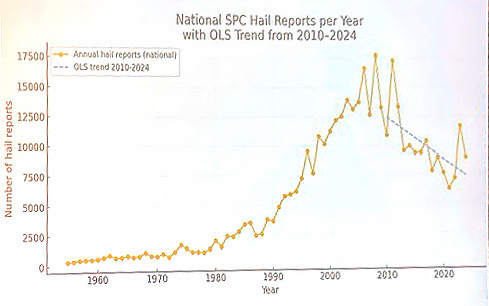
Reardon noted fewer hail storms over the past decade, a trend confirmed by data visualizations from the event. This is encouraging news for roofs, as hail can pit and puncture shingles, leading to premature leaks. However, the specter of derechos looms large—a term coined in 2008 for inland hurricanes packing straight-line winds over 58 mph, capable of stripping shingles, damaging flashing, and compromising entire roof systems.
These events, combined with unpredictable precipitation, affect homeowners coast-to-coast. Midwest families worry about derechos following wet anomalies, while Southern states brace for intensified wind patterns. RoofWeather delivers residential repair services that restore integrity quickly, using high-quality materials suited to local climates.
Signs Your Roof May Need Professional Attention
Given weather’s capricious nature, vigilance is key. Here are common indicators of weather-related roof damage for U.S. homeowners:
- Missing or curling shingles, often from wind gusts or dry cracking.
- Granule buildup in gutters, signaling hail impact or material degradation from drought.
- Interior leaks or stains on ceilings, typical after ice dams or heavy snow melt.
- Sagging rooflines, indicating snow load stress on trusses.
- Increased energy costs due to compromised insulation from storm-damaged underlayment.
Spotting these early can prevent thousands in repairs. Contact RoofWeather for a thorough residential inspection to safeguard your home.
Seasonal Roof Maintenance Checklist
To counter these challenges, RoofWeather recommends a structured maintenance approach. Use this table as a guide for residential roofs across regions:
| Season | East Coast Focus | West Coast Focus | Nationwide Action |
|---|---|---|---|
| Winter | Clear snow from edges; check for ice dams | Inspect for drying cracks; ensure ventilation | Verify flashing integrity post-winds |
| Spring | Assess melt damage; repair leaks | Evaluate low snowpack effects on materials | Trim overhanging branches |
| Summer | Monitor thunderstorm aftermath | Address heat-induced granule loss | Clean gutters; test for hail pits |
| Fall | Prepare for early snow; seal vulnerabilities | Mitigate drought brittleness | Full inspection for derecho prep |
This checklist aligns with Reardon’s emphasis on preparation amid improving forecasts. RoofWeather experts customize these routines for your home’s specific needs, extending roof life and minimizing surprises.
How RoofWeather Delivers Nationwide Residential Protection
As a premier provider of residential roofing solutions, RoofWeather bridges regional divides with services available from coast to coast. Our professional inspections detect snow-induced weaknesses, drought-accelerated wear, and storm damage before they worsen. For repairs, we handle everything from shingle replacement after derechos to ice dam mitigation on Eastern homes.
Understanding insurance claims is another strength—our team documents damage meticulously, easing the process for homeowners facing hail or wind claims. Maintenance plans ward off brittleness in dry climates and overload in snowy ones. No matter your location, RoofWeather ensures durable, weather-resilient residential roofs.
Why Choose RoofWeather for Your Home?
Our nationwide network means local expertise with national standards. We focus exclusively on residential properties, using proven techniques to address the very patterns Reardon described. With AI enhancing predictions, proactive steps today secure tomorrow’s peace of mind.
Do not wait for the next derecho or melt season. Schedule a RoofWeather inspection to evaluate your roof’s resilience against these evolving threats. Protect your most valuable asset—your home—with professionals who understand America’s diverse weather landscape.